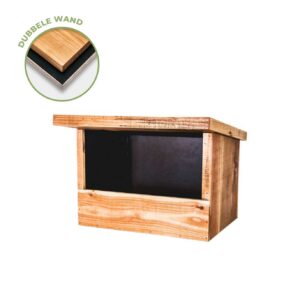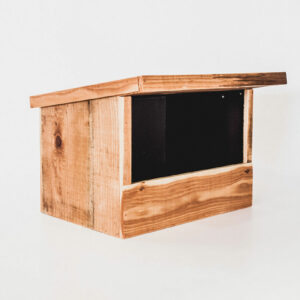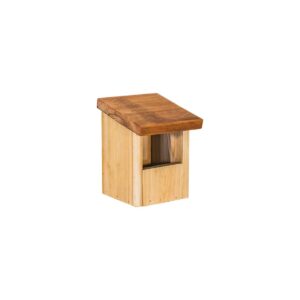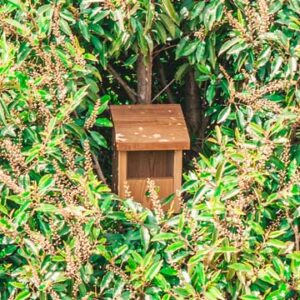



Description
The smallest rodent in Europe can use help. The Harvest Mouse is increasingly threatened by land reclamation and is often the victim of mechanized land cultivation. Every year, more and more young die before they can leave the nest due to the harvest of grain fields and the mowing of grasslands.
Harvest mice make their nests in tall grasses, from reedlands to forest edges, haylands, road verges, and grain fields. The nest is a ball of grasses with a central entrance. In it, a female makes three to seven nests per year.
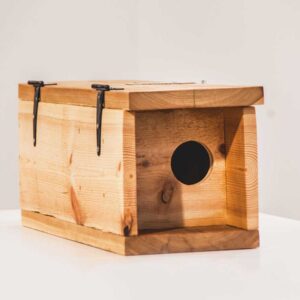
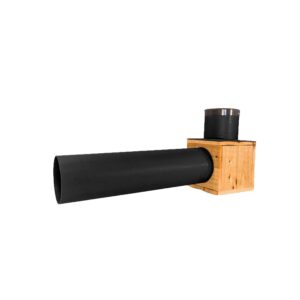
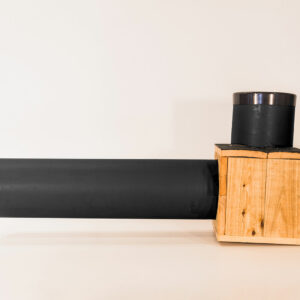
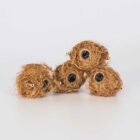
The nesting ball of Ecovery is provided with small holes at the bottom for ventilation. The short semi-circular canopy above the entrance ensures that it cannot rain inside.
In addition to the fact that the artificial nests can keep the harvest mouse populations at a stable level, they also have a positive effect on many other species. Harvest mouse is, after all, a prey animal for many other species that are struggling.
In the United Kingdom, the use of artificial nest balls for harvest mice is a well-known wildlife provision. For example, the tennis balls from Wimbledon are donated to wildlife organizations that use them to make nests.